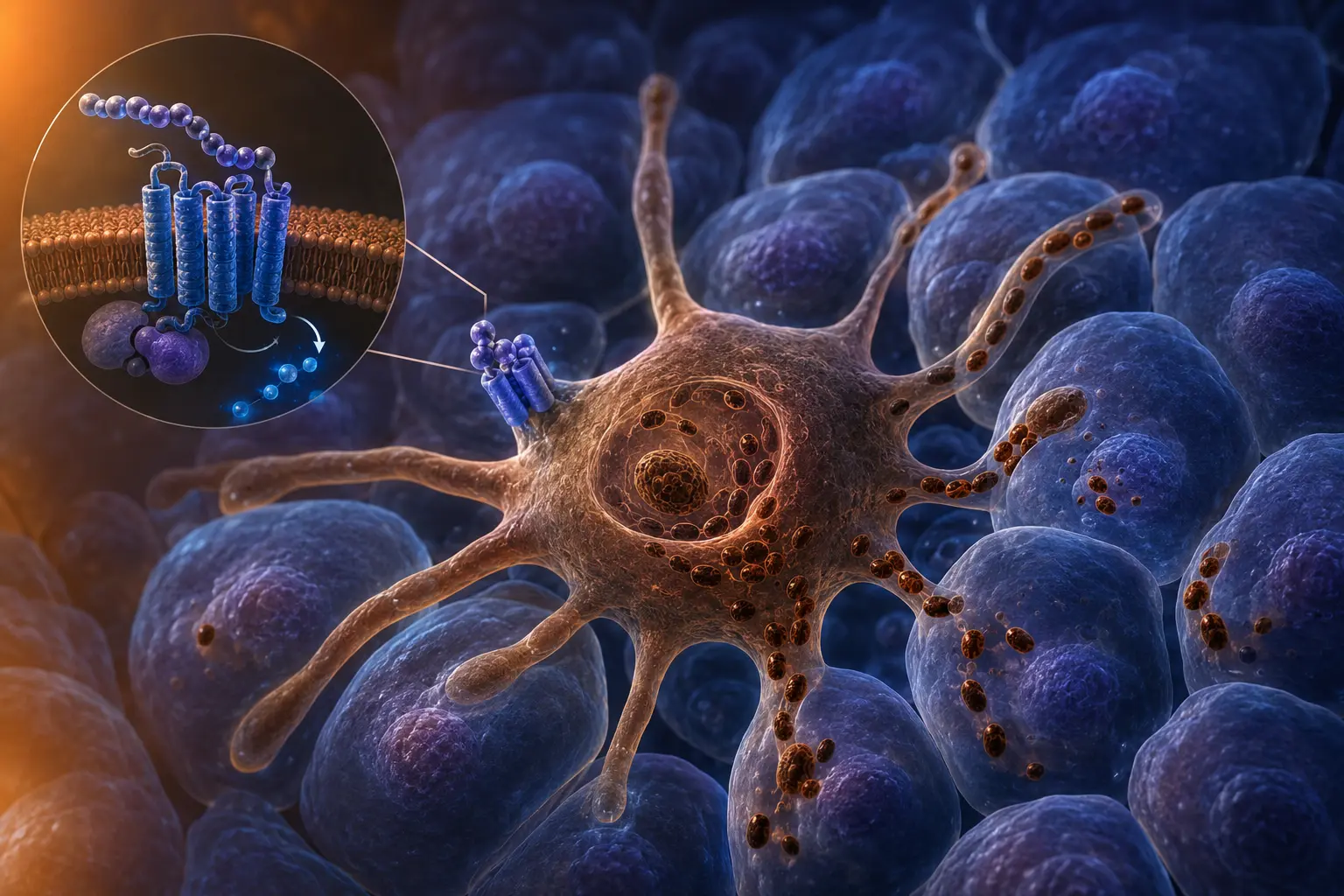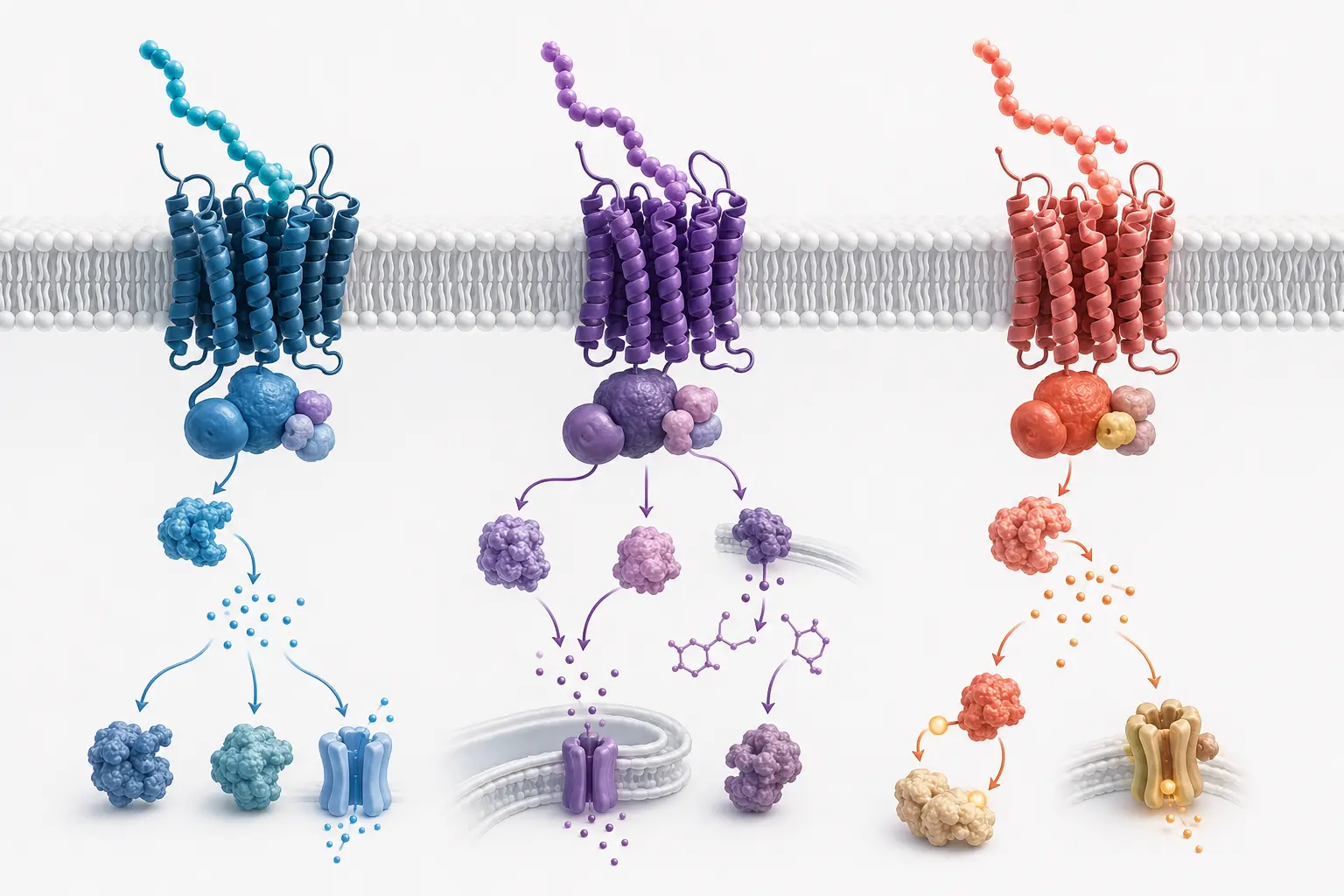
The Glow Stack combines GHK-Cu, BPC-157, and TB-500—three peptides studied for skin regeneration, wound healing, and tissue repair. A review of the research on each component.
Tesamorelin is a synthetic GHRH analogue with FDA approval for HIV-associated lipodystrophy. Controlled trials show significant visceral fat reduction and IGF-1 elevation.
A review of retatrutide (LY3437943), Eli Lilly's investigational GIP, GLP-1, and glucagon receptor triple agonist, covering Phase II trial results, the rationale for triple agonism, and current Phase III development status.
A research review of semaglutide, the GLP-1 receptor agonist marketed as Ozempic and Wegovy, covering its structural design, FDA-approved indications, landmark clinical trial data, and safety profile.
A research review of tirzepatide (Mounjaro, Zepbound), the first FDA-approved dual GIP and GLP-1 receptor agonist, covering its mechanism, the SURPASS and SURMOUNT trial programs, and how dual agonism may differ from GLP-1 alone.
A practical framework for critically evaluating claims made about research peptides, including the questions to ask about any claim, how to spot common logical errors, and how to locate primary sources.
A framework for critically evaluating peptide research papers, including what to look for in methodology, statistical reporting, and the difference between in vitro and in vivo findings.
A review of the current scientific literature on BPC-157, a synthetic peptide derived from a gastric protein, including its studied mechanisms and research status.
An overview of Melanotan II, a synthetic melanocortin receptor agonist studied for tanning and sexual effects, with attention to the significant safety concerns documented in case reports and the important regulatory context.
A foundational overview of peptides: what they are, how they work at the molecular level, and why they matter to researchers studying human physiology.
A foundational review of the chemistry of amino acids — their structure, classification, ionization behavior, and how their properties determine the characteristics of the peptides they form.
A review of follistatin, a TGF-β superfamily antagonist, covering myostatin inhibition research, the distinction between follistatin protein and synthetic peptide fragments, and the current clinical evidence.
A guide to how clinical trials work for peptide-based drugs, what Phase I, II, and III trials test, how to find trial data, and what level of evidence is needed before a peptide's effects can be considered established in humans.
A primer on the molecular pharmacology of peptide-receptor binding, covering receptor types, binding kinetics, agonism vs. antagonism, and what binding affinity data means for interpreting research.
A review of hexarelin, the most potent synthetic growth hormone releasing peptide, including its off-target cardiac receptor activity that has made it a subject of cardiovascular research independent of its GH-releasing properties.
An introduction to antimicrobial peptides (AMPs), the diverse class of naturally occurring peptides that form a key component of innate immunity across virtually all living organisms, and their research potential.
A review of PT-141 (bremelanotide), a synthetic melanocortin receptor agonist that progressed from research to FDA approval for hypoactive sexual desire disorder, illustrating the clinical development pathway for peptide drugs.
A practical overview of how to reconstitute lyophilized research peptides, which solvents are appropriate, storage temperature requirements, and how to minimize degradation to preserve peptide integrity.
An explanation of the analytical methods used to verify research peptide identity and purity — high-performance liquid chromatography (HPLC) and mass spectrometry — and what researchers should look for in a certificate of analysis.
A review of hydrolyzed collagen peptides, the evidence base for skin and joint applications, the methodological challenges in this research area, and how to evaluate the strength of current findings.
An examination of glucagon-like peptide-1 (GLP-1), a naturally occurring incretin peptide, and the research trajectory from basic biology to the class of peptide-derived drugs that have transformed obesity and diabetes medicine.
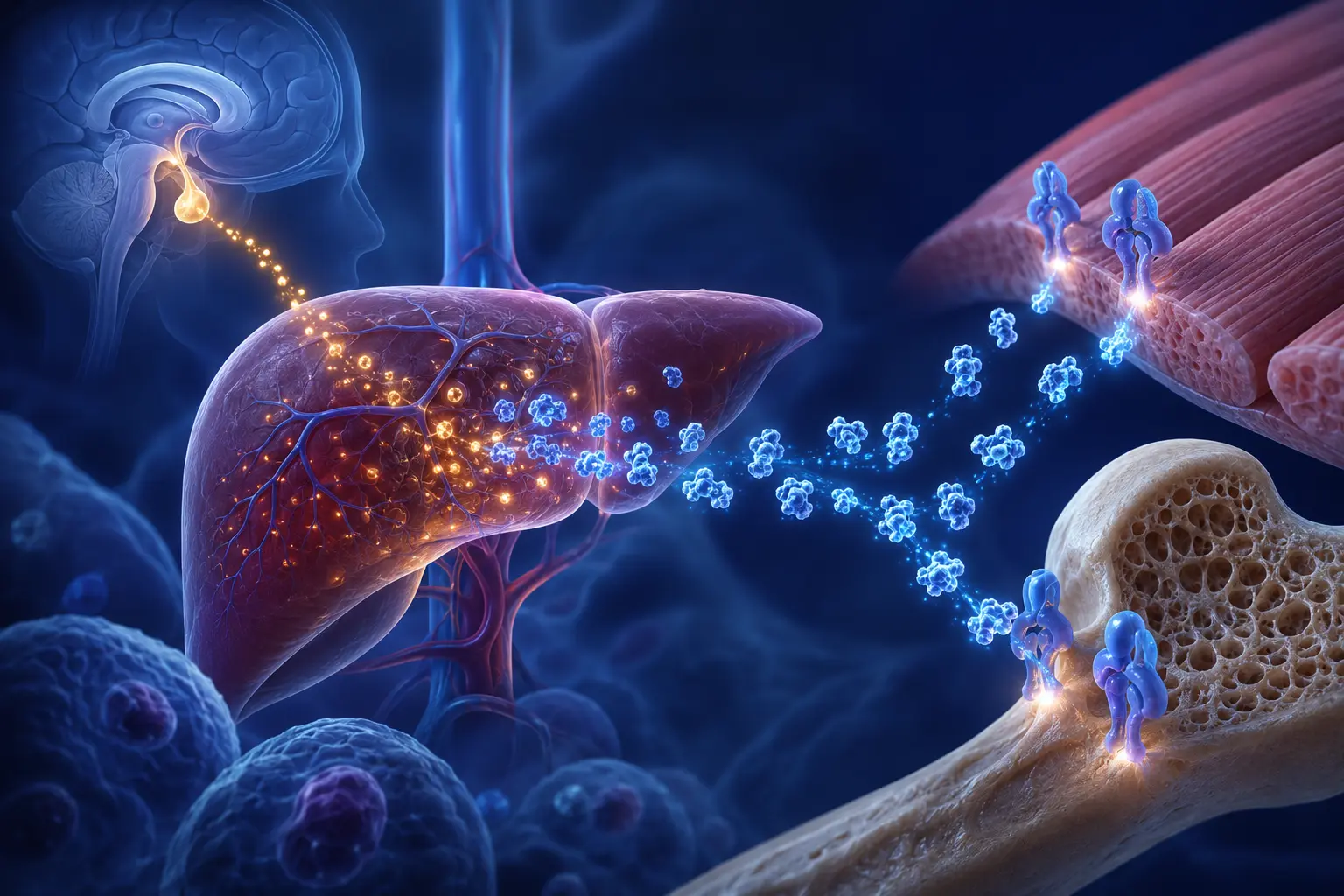
An overview of IGF-1 (insulin-like growth factor 1), its role as the primary downstream mediator of growth hormone action, and what research examines regarding its effects on tissues and metabolism.
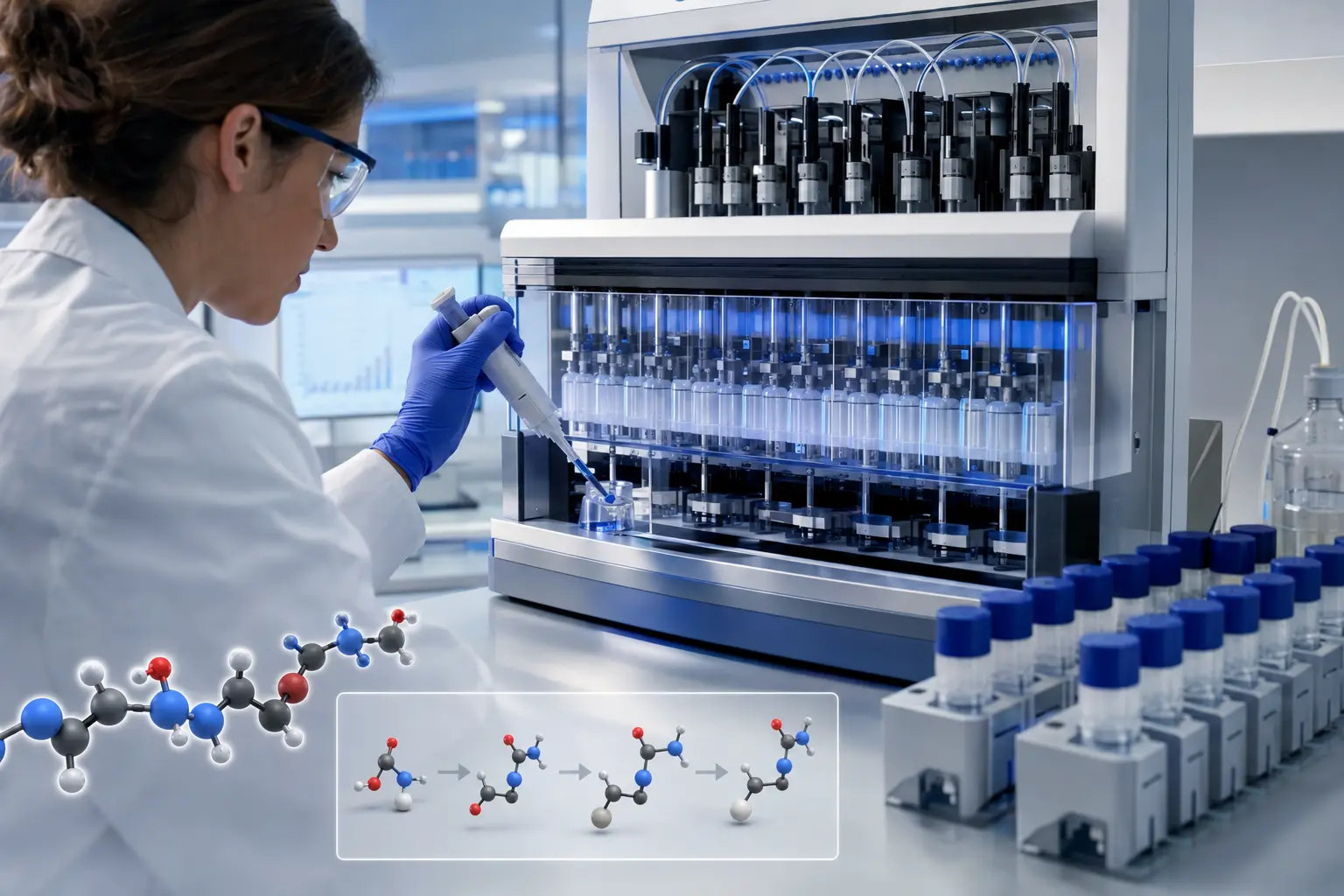
An overview of solid-phase peptide synthesis (SPPS), the primary method used to manufacture research peptides, including the chemistry involved, purity considerations, and what researchers should understand about the synthesis process.
An examination of GHK-Cu (glycine-histidine-lysine copper complex), one of the most studied naturally occurring copper-binding peptides, covering its biological roles and the dermatological and wound healing research.
A review of GHRP-6 (Growth Hormone Releasing Peptide-6), the first synthetic GHS compound studied in humans, covering its mechanisms, the hunger side effect profile, and what the published research shows.
An explanation of plasma half-life, metabolic stability, and the chemical strategies researchers use to extend the active duration of synthetic peptides in biological systems.
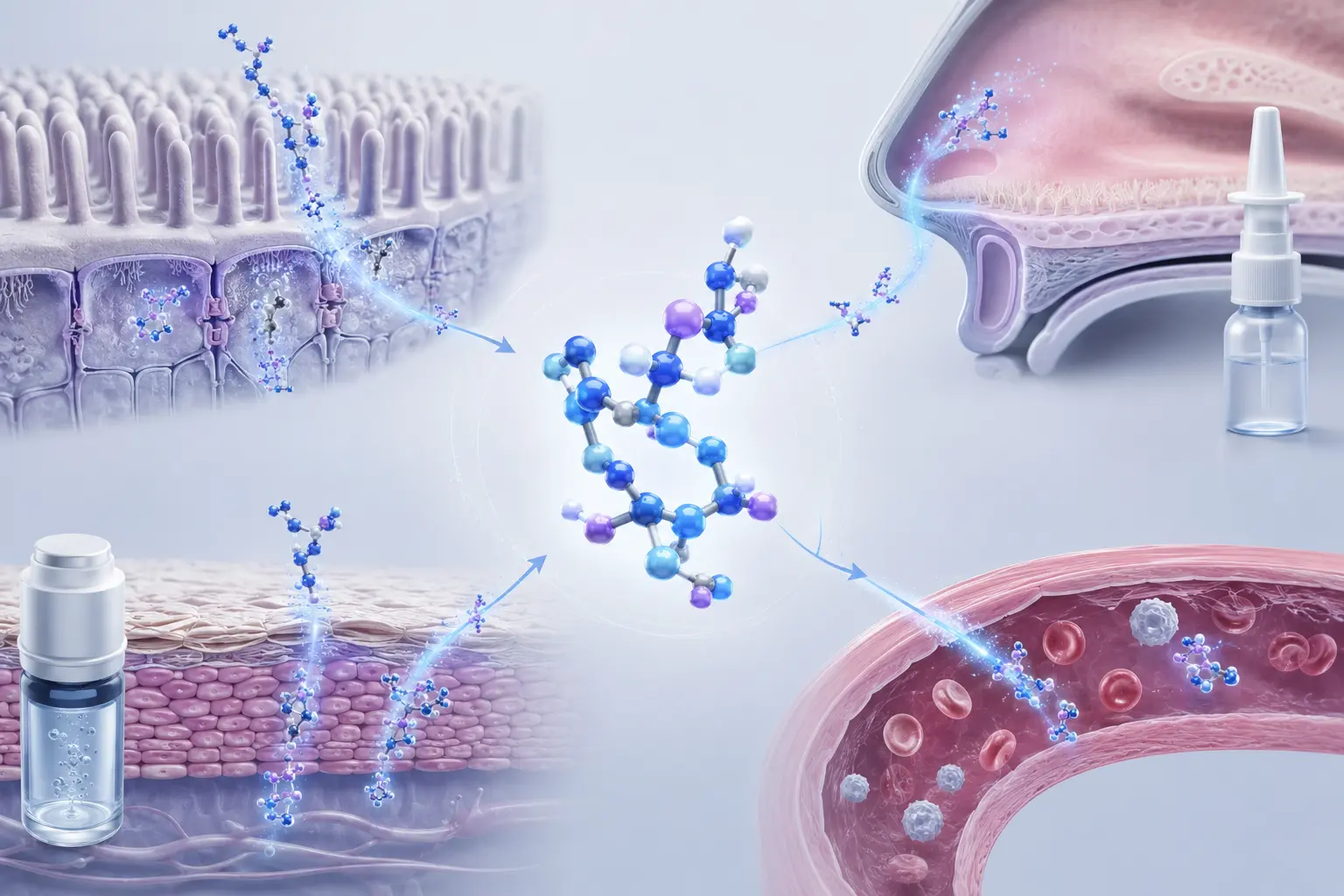
A comprehensive look at how route of administration affects peptide bioavailability, why oral administration of most peptides has poor results, and what routes researchers use to study peptide activity in vivo.
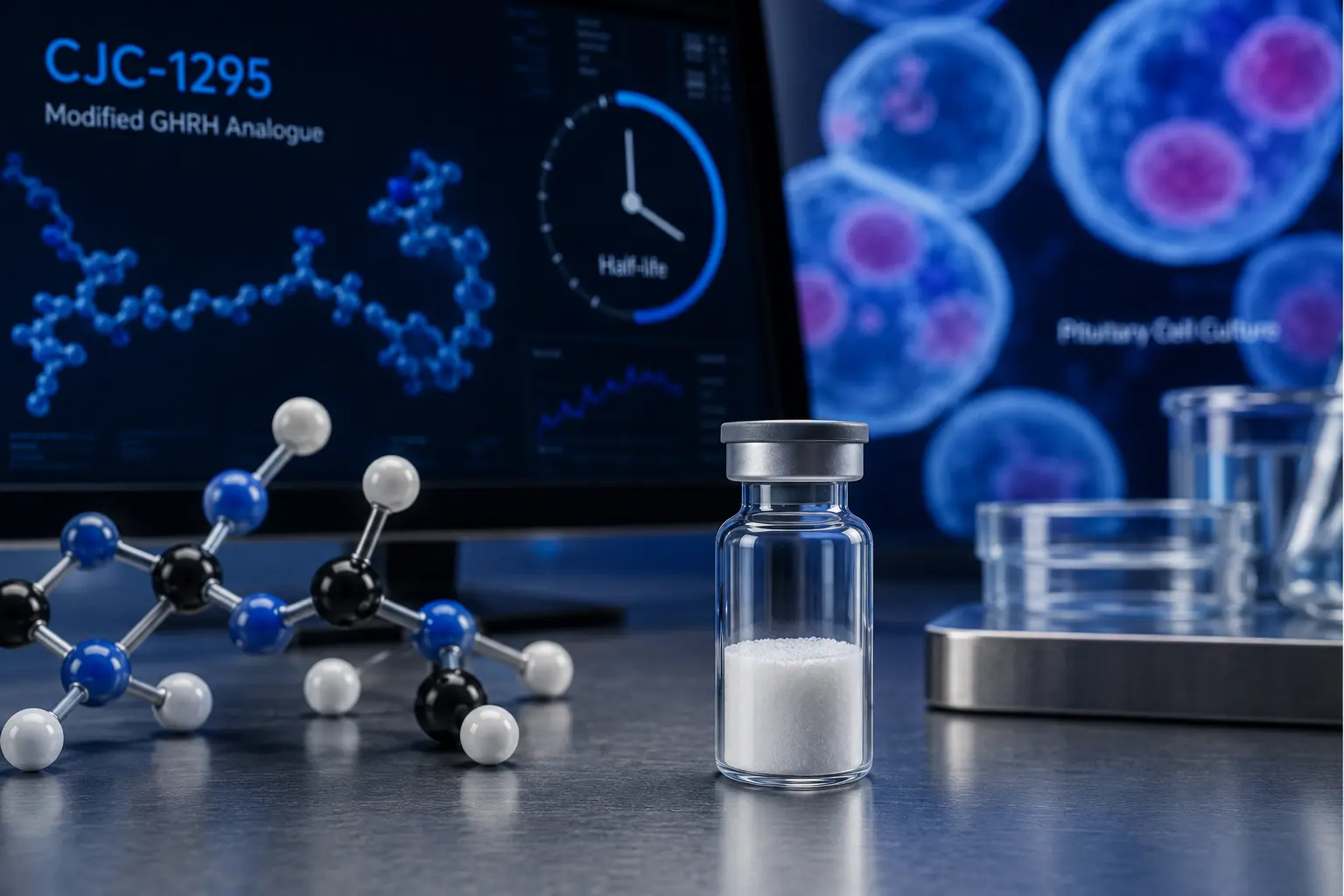
An examination of CJC-1295, a modified GHRH analog designed for extended half-life, covering its structural modifications, the pharmacokinetic data from published studies, and what the clinical research has examined.
An overview of Semax, a heptapeptide derived from the ACTH(4-10) sequence, including its proposed mechanisms of action, the neurobiological systems researchers have examined, and the current state of clinical evidence.
A review of Selank, a synthetic heptapeptide analog of the immunomodulatory peptide tuftsin, covering the neurobiological mechanisms researchers have studied and the current evidence from Russian clinical research.
An examination of Epithalon (Epitalon), a synthetic tetrapeptide based on the pineal extract epithalamin, covering its proposed relationship to telomere biology and the research evidence base.
A review of ipamorelin, a pentapeptide growth hormone secretagogue, with focus on its receptor selectivity profile and what pre-clinical and early clinical studies have examined.
An overview of neuropeptides — peptides that act as signaling molecules in the central and peripheral nervous systems — covering their classification, release mechanisms, and research significance.
A review of Thymosin Beta-4 (Tβ4) and the research compound TB-500, covering their structural relationship, the cellular mechanisms researchers have studied, and the current state of the clinical literature.
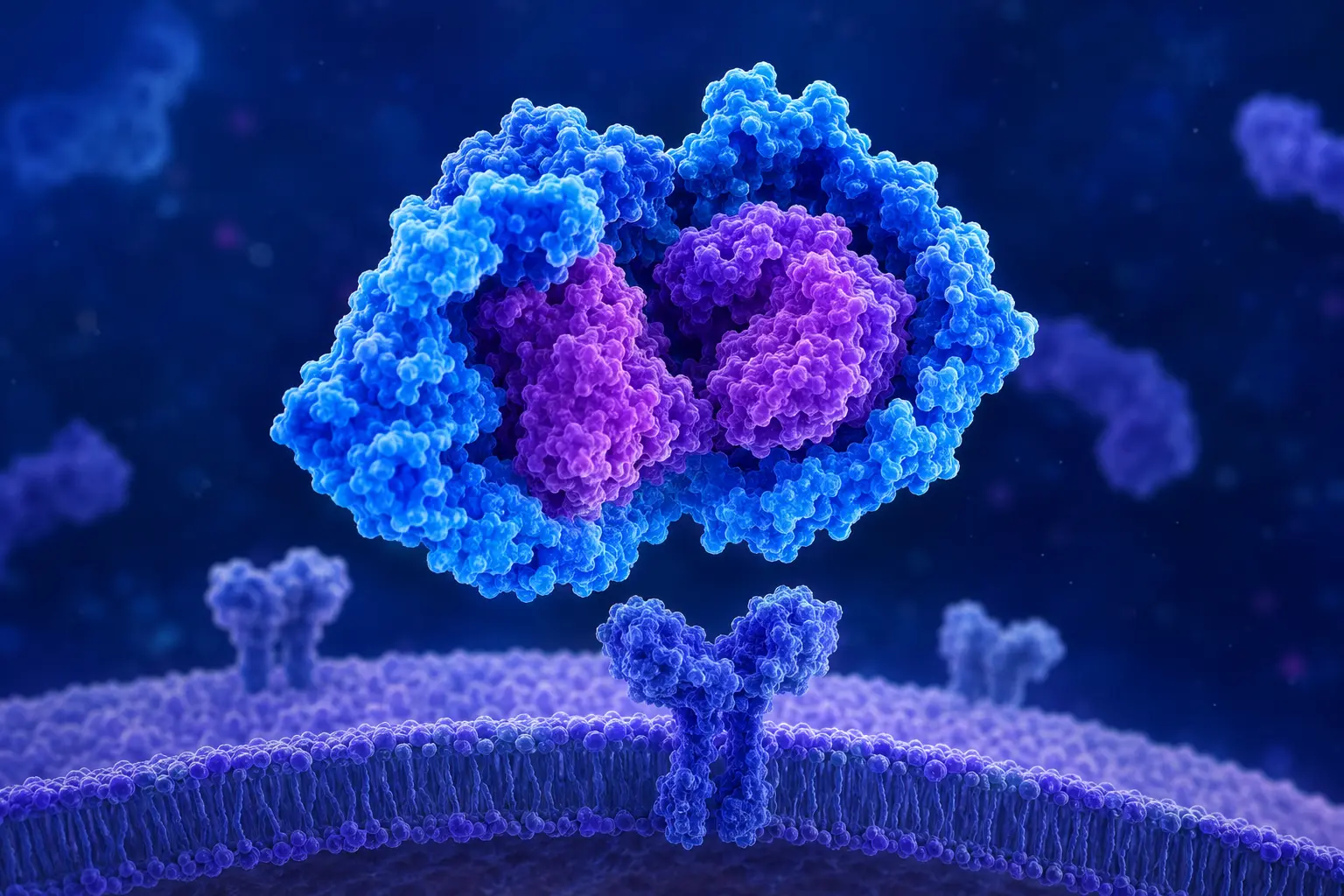
An introduction to the class of peptides known as growth hormone secretagogues (GHSs), how they interact with the GHS receptor, and what the current research literature says about their studied mechanisms.